

Introduction: Discover the Ancient World of Astrology
For thousands of years, people have looked at the stars and planets to understand themselves, their emotions, and their connection with the universe. Astrology is an ancient practice that studies the symbolic relationship between celestial movements and human experiences. It helps people explore their personality traits, relationships, strengths, and personal growth through zodiac signs, planetary positions, and birth charts.
Many people today search for astrology to learn more about their zodiac signs, read their daily horoscopes, and discover what their birth charts reveal about their unique qualities. From understanding emotional patterns to exploring relationship compatibility, astrology provides a fascinating way to reflect on different aspects of life.
Modern astrology has become more accessible through online platforms, astrology apps, and digital birth chart tools. Millions of people around the world explore astrology every day because it offers interesting insights into personality, behavior, and life experiences.
While people interpret astrology in different ways, many use it as a tool for self-reflection, inspiration, and understanding their personal journey.
What Is Astrology?
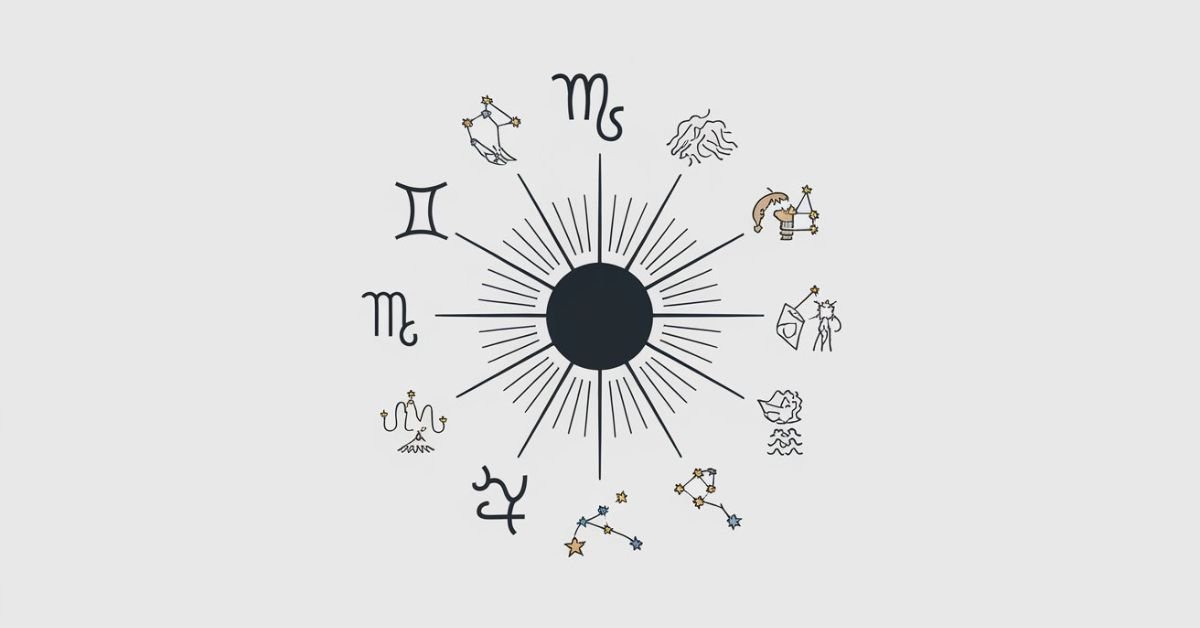
Astrology is the study of the symbolic meanings connected with the positions of the Sun, Moon, planets, and other celestial objects. Astrologers analyze these positions to create interpretations about personality traits, emotions, relationships, and life patterns.
The foundation of astrology comes from the belief that the position of celestial bodies at the time of a person’s birth creates a unique energetic pattern. Astrologers record this pattern in a birth chart, also known as a natal chart.
A birth chart provides information about different areas of life, including:
- Personality characteristics
- Emotional responses
- Communication style
- Relationship preferences
- Career interests
- Personal challenges
Many astrology enthusiasts study these elements to gain deeper awareness of themselves and their experiences.
The History of Astrology
Astrology has existed for thousands of years and developed across many ancient civilizations. Early societies observed the movement of the Sun, Moon, and planets to understand seasonal changes and create calendars.
Ancient Babylonian civilizations created some of the earliest forms of astrology by tracking celestial movements and connecting them with earthly events.
Later, Greek and Roman scholars expanded astrology by developing ideas about zodiac signs, planets, and their symbolic meanings.
Different cultures created their own astrology systems over time. Western astrology developed the twelve zodiac signs that many people recognize today, while other traditions developed unique approaches to interpreting celestial influences.
Although astrology has changed throughout history, people continue to explore it because of its connection with human curiosity and self-discovery.
Understanding the Twelve Zodiac Signs
The zodiac contains twelve signs that represent different personality patterns and characteristics. Your zodiac sign is determined by the position of the Sun at the time of your birth.
Each zodiac sign belongs to one of four elements:
- Fire
- Earth
- Air
- Water
These elements help astrologers group signs based on their traditional qualities.
Fire Signs: Aries, Leo, and Sagittarius
Fire signs represent energy, passion, confidence, and creativity.
Aries
Aries is the first zodiac sign and often represents ambition, courage, and action. Astrology enthusiasts associate Aries with leadership qualities and a desire to take initiative.
Leo
Leo represents confidence, creativity, and self-expression. Many astrology interpretations connect Leo with natural enthusiasm and a strong desire to share talents with others.
Sagittarius
Sagittarius represents exploration, learning, and adventure. People often associate this sign with curiosity and a desire to discover new experiences.
Earth Signs: Taurus, Virgo, and Capricorn
Earth signs symbolize stability, practicality, and responsibility.
Taurus
Taurus represents patience, determination, and appreciation for comfort. Astrology often connects Taurus with loyalty and a practical approach to life.
Virgo
Virgo represents organization, analysis, and attention to detail. Many astrology followers associate Virgo with problem-solving skills and careful thinking.
Capricorn
Capricorn represents discipline, ambition, and long-term goals. Astrology commonly connects this sign with responsibility and determination.
Air Signs: Gemini, Libra, and Aquarius
Air signs focus on communication, ideas, and social connections.
Gemini
Gemini represents curiosity, adaptability, and communication. Astrology often describes Gemini as a sign that enjoys learning and exchanging ideas.
Libra
Libra represents balance, harmony, and relationships. Many astrology interpretations connect Libra with cooperation and fairness.
Aquarius
Aquarius represents innovation, independence, and originality. Astrology enthusiasts often associate Aquarius with creative thinking and new perspectives.
Water Signs: Cancer, Scorpio, and Pisces
Water signs represent emotions, intuition, and sensitivity.
Cancer
Cancer represents emotional connection, family, and care. Astrology often links Cancer with nurturing and strong emotional awareness.
Scorpio
Scorpio represents transformation, passion, and deep emotions. Many astrology followers explore Scorpio when discussing personal growth and emotional strength.
Pisces
Pisces represents imagination, creativity, and compassion. Astrology commonly connects Pisces with intuition and artistic expression.
The Role of Planets in Astrology
Planets play an important role in astrology because each planet represents different symbolic meanings.
The Sun
The Sun represents identity, confidence, and personal expression. Astrologers often consider the Sun sign one of the most important parts of a birth chart.
The Moon
The Moon represents emotions, feelings, and inner thoughts. Many astrology readings use the Moon sign to explore emotional patterns.
Mercury
Mercury represents communication, learning, and decision-making. Astrologers study Mercury placements to understand thinking styles.
Venus
Venus represents love, relationships, beauty, and attraction. Many people explore Venus placements when learning about romance and compatibility.
Mars
Mars represents energy, motivation, and action. Astrology connects Mars with ambition and personal drive.
Jupiter
Jupiter represents growth, expansion, and opportunities. Many astrology interpretations associate Jupiter with learning and personal development.
Saturn
Saturn represents discipline, responsibility, and life lessons. Astrology often connects Saturn with patience and long-term progress.
What Is a Birth Chart?
A birth chart is a detailed map of the sky at the exact moment and location of your birth. It shows the positions of planets and zodiac signs and helps astrologers create personalized interpretations.
A birth chart includes:
- Sun sign
- Moon sign
- Rising sign
- Planet placements
- Houses
- Astrological aspects
Unlike a simple horoscope based only on your zodiac sign, a birth chart provides a broader view of different personality characteristics and life themes.
Many people explore their birth charts because they want to understand their emotions, communication style, strengths, and personal goals.
Astrology and Personality Insights
Many people use astrology to learn more about their personality. Zodiac signs and birth charts provide symbolic interpretations that encourage people to think about their habits, preferences, and behaviors.
For example, some people explore astrology to understand:
- Their natural strengths
- Their emotional reactions
- Their communication habits
- Their relationship patterns
- Their personal goals
Astrology does not replace personal experiences or individual choices. Instead, many people use it as a reflection tool that encourages self-awareness.
Astrology and Zodiac Compatibility
Zodiac compatibility is one of the most popular topics in astrology. Many people compare zodiac signs to explore relationship dynamics and communication styles.
Astrology compatibility readings often examine:
- Element connections
- Planet placements
- Emotional patterns
- Communication styles
People enjoy compatibility readings because they provide an entertaining way to explore relationships.
However, strong relationships depend on many real-life factors, including trust, communication, respect, and understanding.
The Popularity of Horoscopes
Horoscopes remain one of the most common forms of astrology content. People read daily, weekly, or monthly horoscopes to explore possible themes related to emotions, opportunities, and personal growth.
Online horoscope content has made astrology easier to access. Readers can now explore zodiac predictions and astrology insights through websites, mobile apps, and social media platforms.
Many people enjoy horoscopes because they provide motivation and encourage reflection.
Astrology in Modern Life
Technology has changed the way people experience astrology. Today, anyone can access astrology information within seconds through online tools and websites.
People use digital astrology platforms to:
- Calculate birth charts
- Read zodiac articles
- Explore compatibility
- Learn planetary meanings
- Follow horoscope updates
Social media has also increased interest in astrology by creating communities where people discuss zodiac signs and share astrology-related content.
How Astrology Encourages Self-Discovery
Many people turn to astrology because they want to understand themselves better. Astrology encourages individuals to reflect on their emotions, goals, relationships, and personal qualities.
By exploring zodiac signs and birth charts, people often ask meaningful questions about their lives and choices.
Astrology can inspire people to:
- Recognize their strengths
- Understand their emotions
- Explore personal goals
- Improve self-awareness
For many followers, astrology serves as a guide for reflection and inspiration.
Final Thoughts
Astrology continues to attract millions of people because it combines ancient traditions with modern curiosity. From zodiac signs and horoscopes to birth charts and planetary meanings, astrology provides many ways to explore personality and personal experiences.
Whether you follow astrology regularly or simply enjoy learning about zodiac meanings, this ancient practice offers an interesting perspective on human nature and self-discovery.
By exploring astrology, zodiac signs, and horoscope insights, people can discover new ways to reflect on themselves and better understand the world around them.
If u want to learn astrology online visit https://zodiacdeluxe.com/online-astrology-consultation/
